Behind the RING CYCLE: Costumes, Props, and Wigs
September 15, 2026
Credit: Michael Cooper
Wagner’s Ring Cycle is famous for its epic music and mythology—and bringing that world to life requires some extraordinary stagecraft.
The brainchild of Costume and Set Designer Michael Levine, these costumes, props, wigs, and models reveal the ingenuity behind the Canadian Opera Company’s landmark productions.
See them in person this fall at the Four Seasons Centre for the Performing Arts!
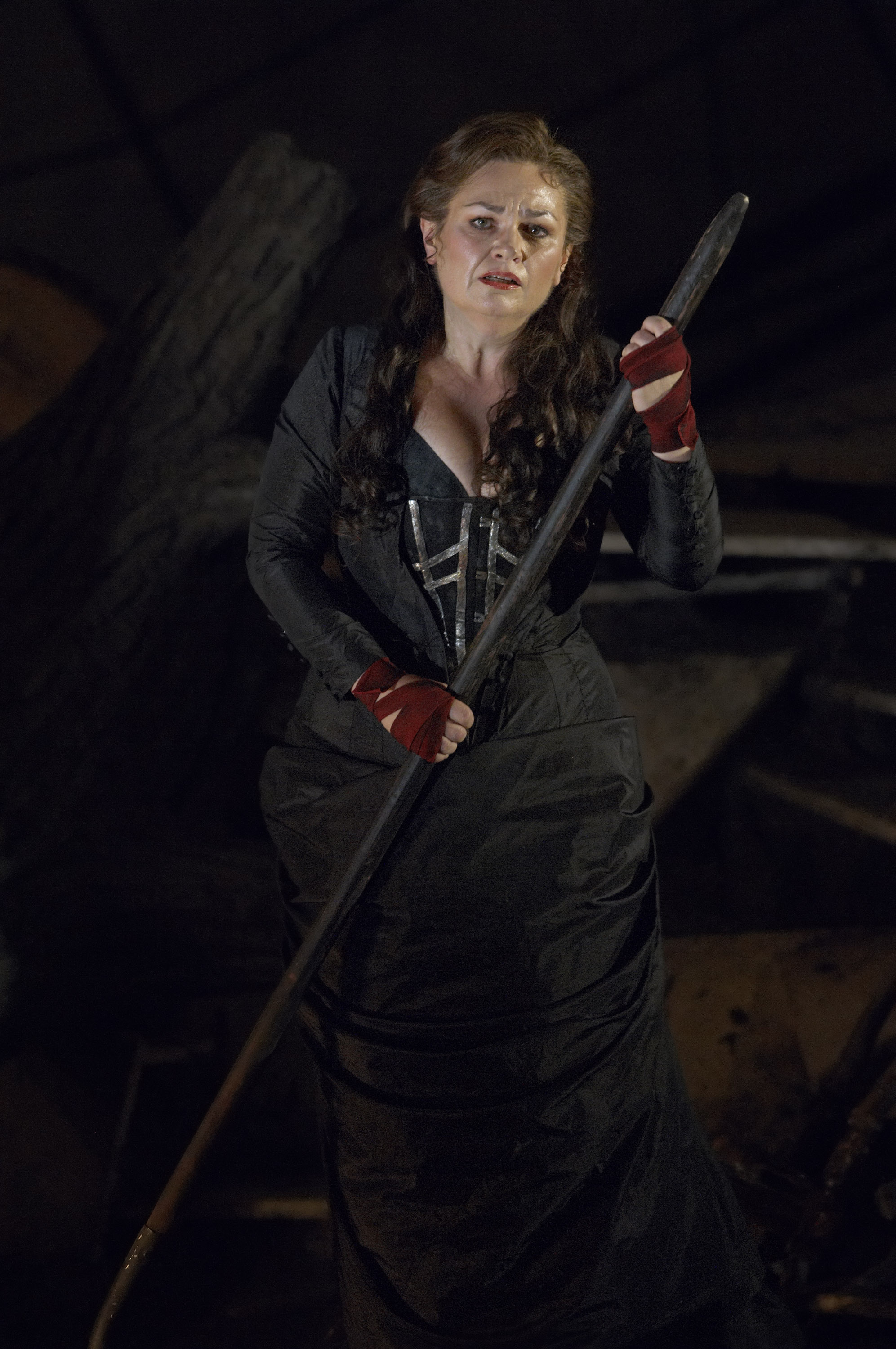
Brünnhilde’s battle-worn dress from Die Walküre (2015) features shredded fabric, silver leather, and painted corsets that emphasize the character’s battered, almost skeletal appearance. Red fabric bandages wrapped around each Valkyrie’s hands signified their divine status. When Brünnhilde gives up her power, she returns her bandages to Wotan—whose staff is wrapped in the same red strips.
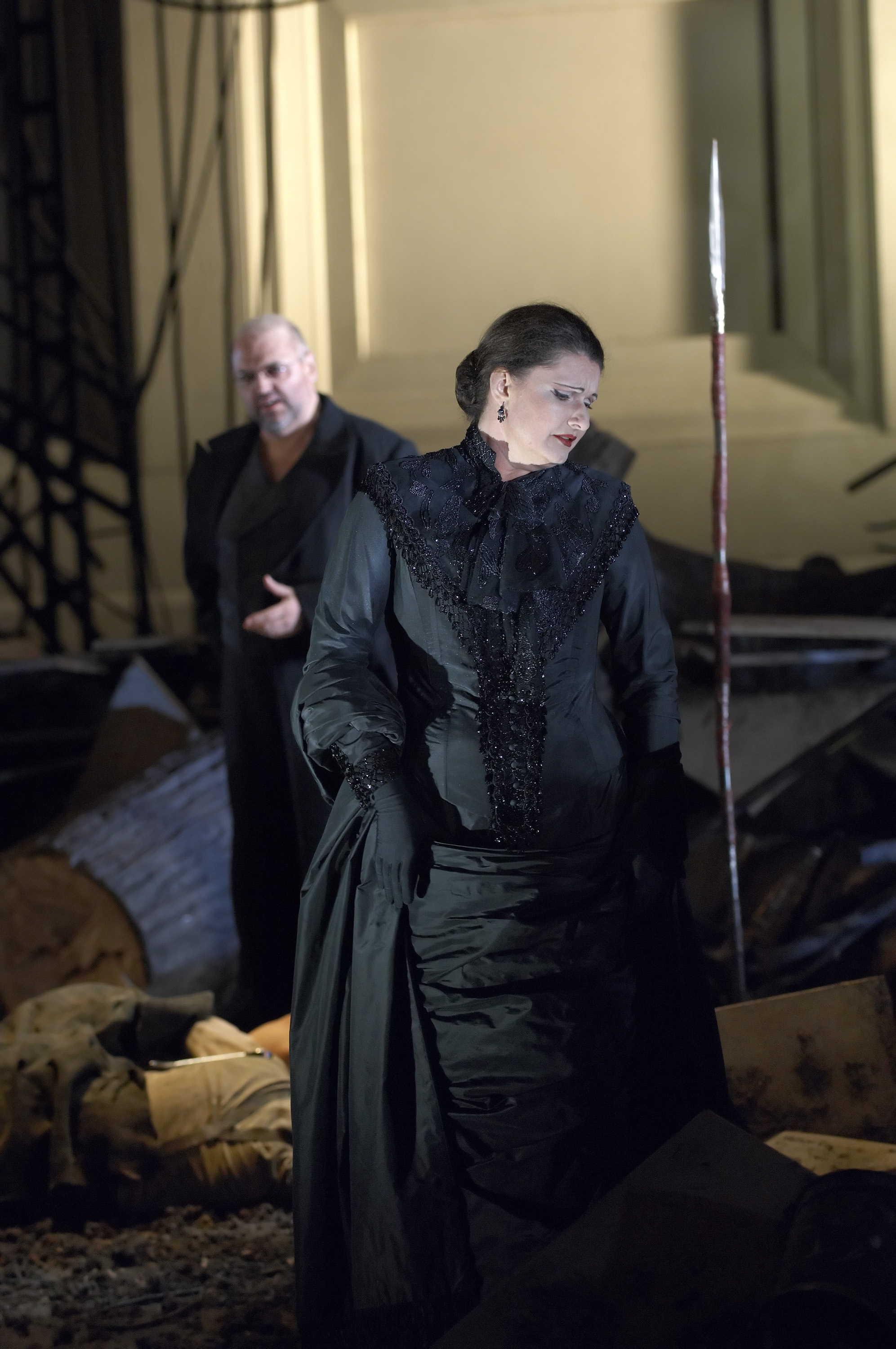
Fricka’s dramatic black gown was made from 17 metres of silk for soprano Judit Nemeth in 2004’s Die Walküre. The costume later found a second life in the COC’s 2019 Elektra, adapted by Anita Stewart for soprano Susan Bullock.
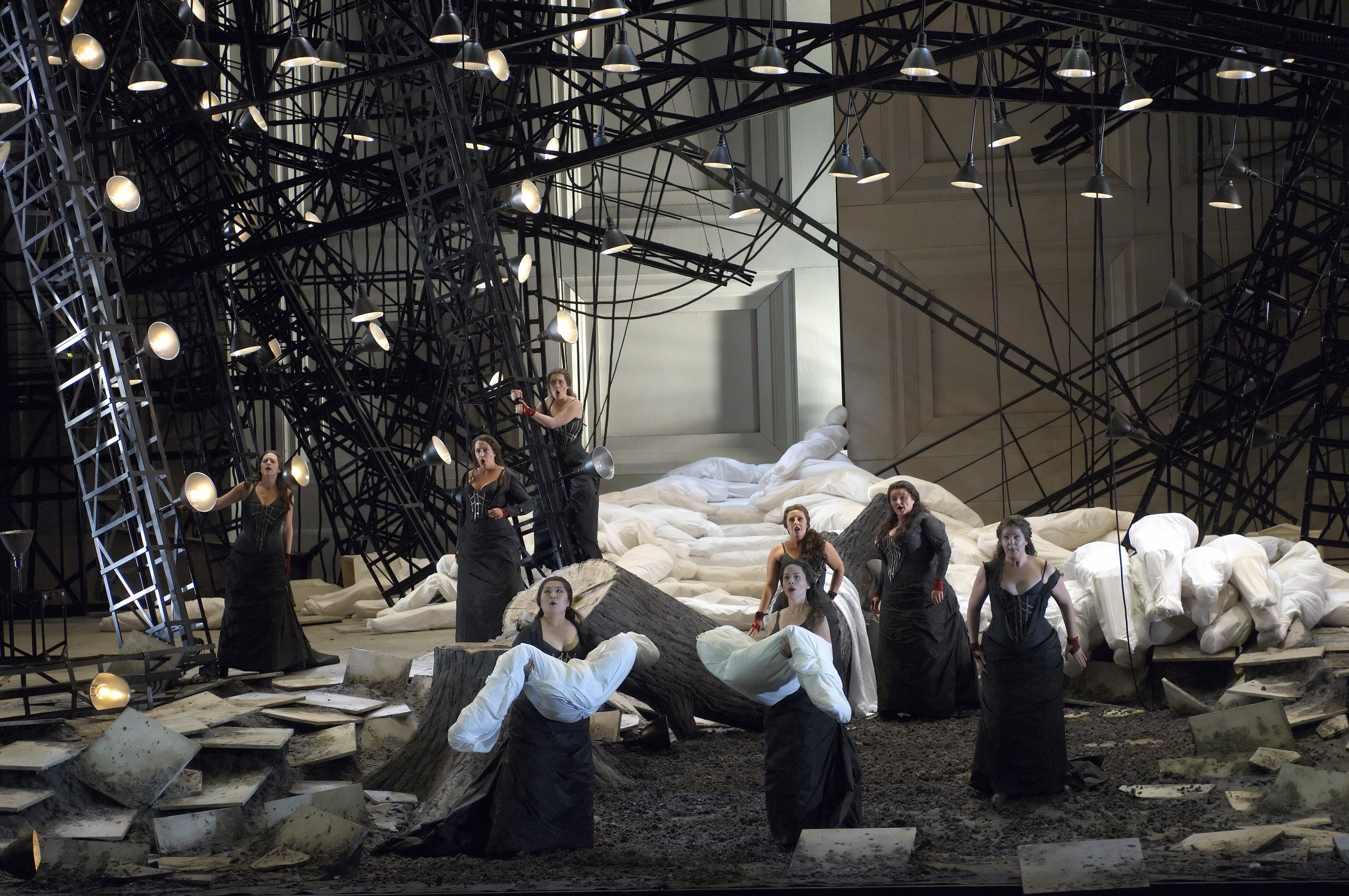
Act III of Die Walküre requires Brünnhilde and the Valkyries to carry dead warriors destined for Valhalla. The production used 100 prop bodies: 30 that could be carried and 70 lightweight foam bodies piled onstage.
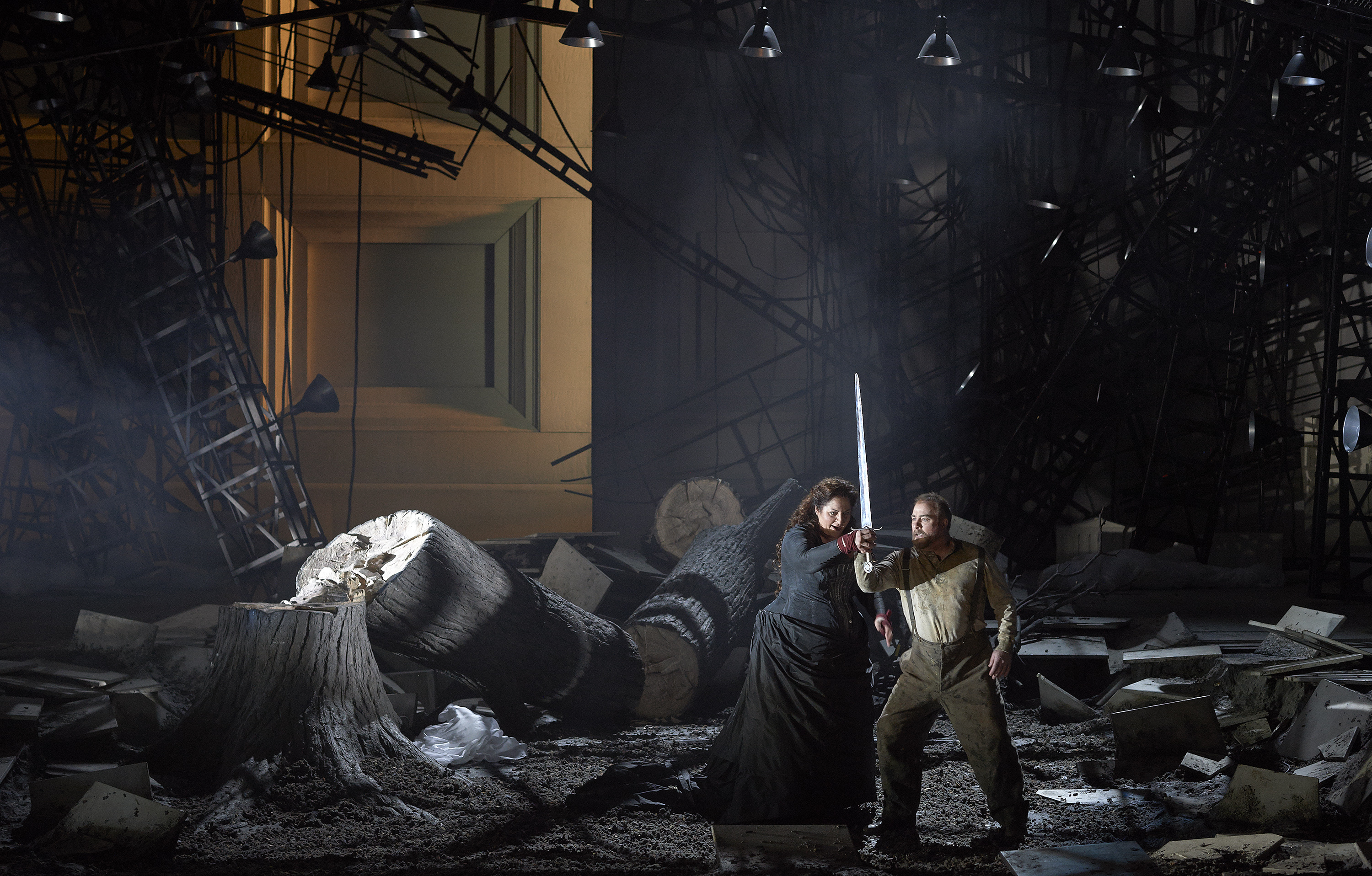
The Ring’s weapons were marvels of theatrical engineering. Nothung, Siegmund’s sword, had multiple versions, including a “breakaway” sword designed to split when struck by Wotan’s six-pound steel spear. Four copies were made to ensure performances could continue even if one broke unexpectedly.
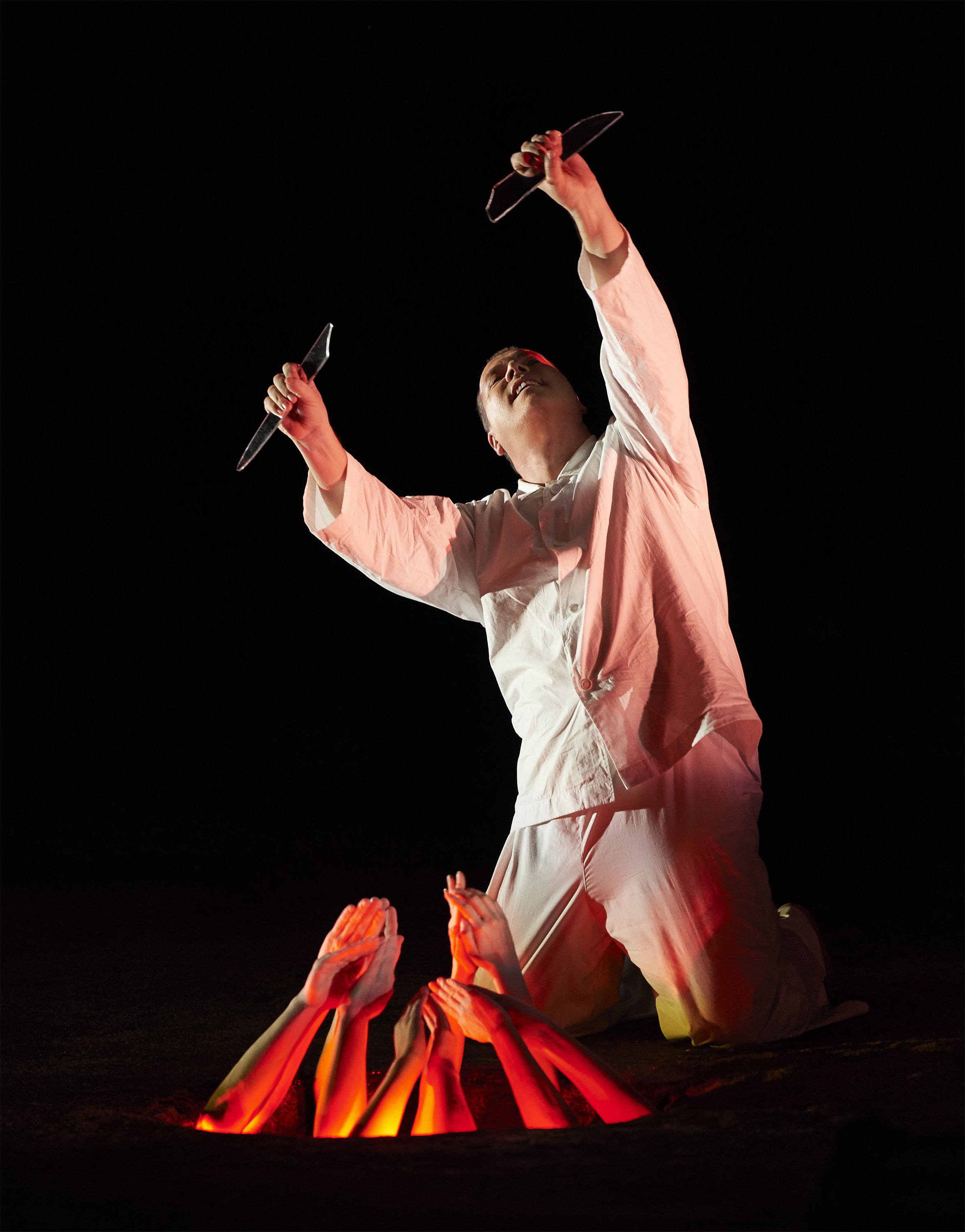
Siegfried’s attempt to remake the sword also used a breakaway version—one he could snap apart with ease. After he kills the dragon Fafner, the sword appears bloodied thanks to a clever trick: the “blood” was actually a thin plastic sheath slipped over the blade.